Choosing the China Best Induction Melting Furnace Transformer Supplier? requires more than comparing prices. The transformer must match furnace capacity, melting frequency, voltage stability, and the plant’s daily production rhythm. A poor match may cause overheating, unstable current, or repeated shutdowns. Those problems become visible through hot cable joints, unusual humming, and rising oil temperatures.
John J. Winders Jr., a respected transformer engineer and author, emphasizes, “Transformer performance begins with disciplined design, not attractive specifications.” This principle applies directly to every Induction Melting Furnace Transformer selection. Buyers should examine the supplier’s winding methods, insulation system, cooling design, factory testing, and after-sales response. A credible manufacturer should provide temperature-rise records, impedance data, routine test reports, and clear maintenance guidance. Certifications matter, but they do not replace engineering evidence.
Look closely at the details.
An experienced supplier will ask about furnace loading cycles, harmonic conditions, installation altitude, and ambient temperature. It should also explain how the transformer handles frequent starts and sudden load changes. Some suppliers show impressive brochures, yet offer weak documentation. That is a warning sign. I have seen purchasing decisions focus too heavily on the lowest quotation. Later, spare parts, commissioning delays, and inefficient cooling increased the real cost. This is where the evaluation can become imperfect. No supplier is automatically best for every furnace.
The strongest choice combines verified manufacturing experience, responsive technical support, and dependable Induction Melting Furnace Transformer performance. China offers capable manufacturers, but buyers should verify each claim through factory audits, test records, customer references, and practical service commitments. Reliability is not promised by a logo. It is demonstrated under heat, load, and time.
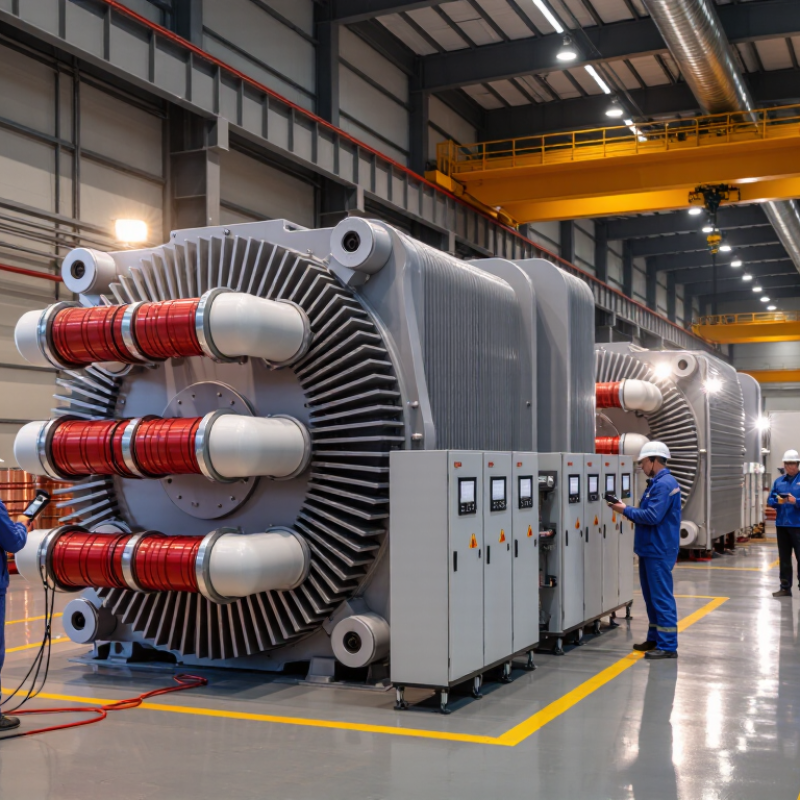
What Is an Induction Melting Furnace Transformer?
What Is an Induction Melting Furnace Transformer?
An induction melting furnace transformer is the electrical link between the power grid and the furnace inverter. It reduces medium-voltage electricity to the lower voltage and high current required for melting metal. The transformer must tolerate frequent load changes, harmonic currents, and thermal stress.
It is not the furnace itself.
The U.S. Department of Energy’s Distribution Transformer Technical Support Document reports that transformer losses represent roughly 2.5% of national electricity consumption. This figure explains why efficiency matters in foundries. Even a small reduction in no-load and load losses can lower annual operating costs.
IEC 60076-1 also provides a foundation for transformer design, testing, and rating. However, a standard rating alone cannot predict every furnace condition.
In practice, engineers check furnace capacity, input voltage, secondary current, duty cycle, impedance, cooling method, and harmonic protection.
A 1,000 kW furnace may demand short, intense power bursts rather than steady operation. The transformer should therefore match the converter, not only the furnace’s headline capacity.
Oversizing can increase purchase cost and no-load losses. Undersizing can cause overheating, voltage instability, and shortened insulation life.
A clean specification is useful, but field measurements are better.
This is where many selections become imperfect. Load records, temperature readings, and maintenance history often reveal problems that a catalogue cannot show.
Key Specifications for Induction Melting Furnace Transformers
China Best Induction Melting Furnace Transformer Supplier?
Key Specifications for Induction Melting Furnace Transformers
Choosing an induction melting furnace transformer requires more than comparing purchase prices. Rated power must match the furnace load, while the secondary voltage should support the converter’s operating range. Confirm the primary voltage, frequency, phase arrangement, and impedance before requesting quotations. A small mismatch can increase heating, voltage fluctuation, and production interruptions.
Cooling design deserves close attention. Oil-immersed transformers may use natural or forced circulation, depending on power and duty cycle. Check the oil temperature rise, radiator capacity, insulation class, and permissible ambient temperature. The transformer should also tolerate frequent starts and load changes. Induction systems create harmonics, so the specification should address waveform distortion and additional thermal stress. It should not be treated like a standard distribution transformer.
Protection details often reveal manufacturing quality. Ask for winding temperature indicators, oil-level monitoring, pressure relief, short-circuit strength, and suitable surge protection. Factory inspection should include ratio testing, winding resistance, insulation resistance, impedance measurement, and a withstand-voltage test. Certification records matter, but test data must match the delivered unit. I have seen technically attractive quotations with unclear cooling calculations. That is a warning sign. The final specification should also state dimensions, total weight, terminal layout, spare parts, and maintenance access. These practical details can prevent costly installation changes.
How to Evaluate Transformer Supplier Qualifications
Choosing China’s best induction melting furnace transformer supplier requires evidence, not polished catalogues. The first screen is qualification. Request business registration, manufacturing scope, ISO 9001 certification, and IEC 60076 test procedures. ISO certification alone proves little. Ask whether it covers the actual factory and product family. CIGRE Technical Brochure 642 surveyed 964 large power transformers and highlighted insulation, bushings, and accessories as recurring reliability concerns. This matters because furnace duty creates thermal cycling, harmonics, and short-circuit stress.
Request calculations for rated power, primary and secondary voltage, impedance, cooling, temperature rise, and overload duty. For induction melting, verify harmonic withstand and switching conditions, not only 50 or 60 hertz performance. Review routine and type-test reports, including winding resistance, ratio, dielectric, impulse, loss, and temperature-rise tests. A credible supplier permits witness testing during factory acceptance testing and provides serial-numbered records. Demand three comparable references showing furnace capacity, operating hours, and failure history. Be careful with perfect references. I would also inspect oil processing, coil bracing, copper joints, sensors, and enclosure sealing on site. One missed detail can stop a furnace. Supplier evaluation remains partly judgment, and my checklist is not flawless. Lifecycle evidence should carry more weight than a low initial quotation.
Comparison Criteria for China-Based Transformer Suppliers
China Best Induction Melting Furnace Transformer Supplier?
Selecting a China-based transformer supplier requires more than comparing quotations. Start with furnace capacity, operating voltage, frequency, duty cycle, and cooling method. A supplier should provide verified no-load loss, load loss, impedance, temperature-rise, and short-circuit test data. These values directly affect melting stability and electricity costs. IEC 60076 provides a useful technical framework for transformer design and testing.
The IEA’s Electricity 2024 report forecasts global electricity demand to grow by about 4% annually through 2026. That trend makes efficiency and thermal performance increasingly important for foundries. Compare measured losses at your actual load, not only at rated capacity. Request factory acceptance records, calibration details, material traceability, and protection-system settings. ISO 9001 certification supports process control, but it does not replace engineering evidence. Small distinction. It matters.
Site experience also reveals practical differences. Check whether the supplier has commissioned similar induction furnace transformers, especially high-current units with frequent load changes. Review delivery records, spare-part response, remote support, and installation guidance. Ask for drawings before purchase, including cable entry, cooling clearance, and maintenance access. A lower price may hide longer testing or weaker service coverage. No scorecard is perfect. Recheck assumptions with an independent engineer, because supplier data can be accurate yet incomplete.
How to Select the Best Supplier for Your Application
Choosing the best induction melting furnace transformer supplier in China requires more than comparing prices. The supplier must understand furnace load cycles, starting current, cooling needs, and workshop conditions. Ask for transformer capacity calculations based on your actual melting output, metal type, and operating hours. A reliable supplier should provide drawings, test records, protection details, and clear delivery terms. Practical experience matters here. A transformer may look suitable on paper but fail under repeated thermal stress.
Tips: Request references from similar foundries. Check factory inspection procedures and technician qualifications. Confirm voltage, frequency, impedance, insulation class, and cooling method before signing. Ask how faults are diagnosed remotely, and whether spare components are available locally. Small details matter.
During supplier discussions, observe how engineers respond to difficult questions. Do they explain risks clearly, or only promise high efficiency? That difference is important. Review factory acceptance testing, temperature-rise limits, noise control, and maintenance access. Independent inspection can add confidence before shipment. However, inspection is not magic; unclear specifications can still create problems. I have seen projects delayed because the customer changed furnace capacity after production began. Leave room for realistic expansion, but avoid paying for unnecessary capacity. The best supplier is not always the cheapest or the largest. It is the one that documents assumptions, communicates honestly, and supports stable operation after installation.
How to Select the Best Induction Melting Furnace Transformer Supplier
Recommended evaluation weighting for comparing transformer suppliers. Technical compatibility and operating safety should receive the highest priority, followed by efficiency, customization, delivery, and service capability.
Use these percentages as a practical screening framework, then verify rated power, primary and secondary voltage, frequency, cooling method, insulation class, harmonic performance, protection systems, testing records, and lifecycle support for your specific furnace application.
FAQS
It connects the power grid to the furnace inverter. It reduces medium voltage to lower voltage and high current for metal melting. It is not the furnace itself.
Transformer losses can consume significant electricity over time. Reducing no-load and load losses may lower annual operating costs. Small savings accumulate.
Match the transformer with the furnace load and converter requirements. A 1,000 kW furnace may draw short, intense power bursts. Headline capacity alone can mislead.
Oversizing increases purchase cost and no-load losses. Undersizing may cause overheating, unstable voltage, and shorter insulation life. Neither choice is ideal.
Confirm rated power, primary voltage, secondary voltage, frequency, phase arrangement, and impedance. A small mismatch can increase heating and interruptions. Small mismatches matter.
Cooling must suit the transformer’s power and duty cycle. Check oil temperature rise, radiator capacity, insulation class, and ambient temperature limits. Thermal stress is easy to underestimate.
Induction systems create harmonic currents and changing loads. The transformer must tolerate waveform distortion, frequent starts, and additional heating. It should not be treated like an ordinary distribution transformer.
Request winding temperature indicators, oil-level monitoring, pressure relief, short-circuit strength, and surge protection. Factory tests should include ratio, winding resistance, insulation resistance, impedance, and withstand voltage.
Include dimensions, total weight, terminal layout, spare parts, cooling calculations, and maintenance access. Delivered test data should match the actual unit. A catalogue cannot reveal every field problem.
Conclusion
Choosing the best Induction Melting Furnace Transformer requires a clear understanding of its role in supplying stable, efficient, and reliable power to induction melting equipment. The right transformer must match the furnace’s operating voltage, power rating, frequency, load characteristics, cooling method, insulation level, and duty cycle. Proper specification helps improve melting performance, reduce energy losses, and support safe long-term operation in demanding industrial environments.
Supplier evaluation should include manufacturing experience, technical capabilities, quality-control procedures, testing standards, customization options, delivery reliability, installation support, and after-sales service. When comparing China-based transformer suppliers, buyers should review product consistency, engineering communication, documentation, warranty terms, certification readiness, and the supplier’s ability to provide solutions for the intended application. The best choice is not always the lowest-priced option, but the supplier that offers a suitable design, dependable quality, transparent cooperation, and comprehensive technical support throughout the project lifecycle.