☉ Manufacturing since 2004 · Rajkot, Gujarat, India ✉ [email protected] ☎ +91 958 627 7766

Blog

How to Choose an IEC 60076 Power Transformer?

How to Choose an IEC 60076 Power Transformer?

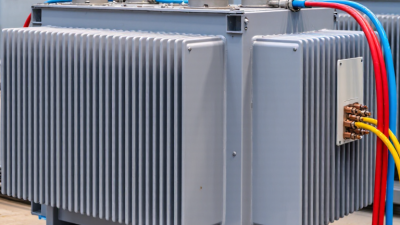
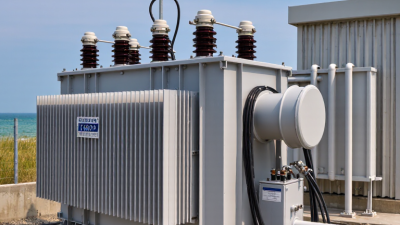
Choosing an IEC 60076 Power Transformer begins with the site, not a catalogue. The correct unit must match voltage, frequency, load profile, cooling method, insulation level, and installation conditions. A 33 kV outdoor transformer beside a coastal substation faces salt, humidity, wind, and unusual maintenance demands. Small details matter. IEC 60076 provides a technical foundation for design, ratings, tests, and performance verification. It does not replace engineering judgment or applicable national requirements. A dependable selection process connects the standard with measured operating data. Engineers should review present demand, motor starting currents, harmonics, future expansion, fault levels, and acceptable losses. For example, a factory transformer serving variable-speed drives may need careful harmonic assessment and temperature-rise evaluation. Oil-immersed and dry-type designs also create different fire-safety, ventilation, noise, and maintenance considerations. Ask for routine and type-test documentation. Check the nameplate against the purchase specification. Independent inspection can reveal transport damage, incorrect accessories, or unclear test records before energization. This guide explains how to compare ratings, impedance, tap changers, cooling classes, bushings, enclosures, and protection accessories. It also considers supplier evidence, lifecycle cost, spare parts, warranty terms, and commissioning support. The cheapest transformer may become expensive through losses, outages, or difficult repairs. That lesson is easy to overlook. Yet no checklist is perfect. Real sites change, data can be incomplete, and manufacturers may interpret requirements differently. Readers should verify calculations with qualified professionals and confirm current editions, local grid rules, and project-specific safety obligations.
Read more »
Olivia By:Olivia - October 13, 2026
How to Choose the Right BIS 1180 Distribution Transformer

How to Choose the Right BIS 1180 Distribution Transformer

Choosing the right BIS 1180 Distribution Transformer requires more than matching a kVA rating. The decision affects energy losses, voltage stability, safety, maintenance, and operating costs for many years. A suitable transformer should match the system voltage, load profile, installation environment, and expected future demand. Transformer specialist Martin Heathcote offers a useful principle: “The transformer is the heart of the electrical system.” This view keeps selection practical. A unit may meet a catalogue specification yet perform poorly under uneven loading, high ambient temperatures, or frequent voltage changes. Small details matter. Oil quality matters. So does cooling. Review the required capacity, primary and secondary voltages, frequency, impedance, insulation level, vector group, and tap arrangement. Compare no-load and load losses carefully. Lower purchase cost can hide higher lifetime expenses. Enclosure design, corrosion protection, clearances, earthing, and ventilation also deserve attention, especially in dusty or humid locations. Ask for routine test reports and confirm compliance with the applicable BIS requirements. Check temperature-rise limits, dielectric strength, leakage performance, and short-circuit withstand capability. Site conditions should be documented, not guessed. A transformer installed near a coastal area needs different protection from one placed inside a dry industrial room. There is no perfect selection based on one table. Load forecasts can be wrong. Measurements may be incomplete. Therefore, consult a qualified electrical engineer before approval, and verify the manufacturer’s data independently. The best BIS 1180 Distribution Transformer is the one that remains efficient, safe, serviceable, and suitable when real operating conditions become less predictable.
Read more »
Charlotte By:Charlotte - October 8, 2026
What Is the 2026 Best Foil Winding Distribution Transformer?

What Is the 2026 Best Foil Winding Distribution Transformer?

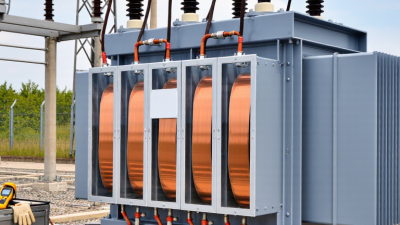
Choosing the 2026 best Foil Winding Distribution Transformer requires more than comparing catalog ratings. Real installations reveal the difference. John J. Winders Jr., a respected transformer engineering author, describes a transformer as “a static device that transfers electrical energy from one circuit to another.” This simple definition still guides practical selection. A strong foil-wound design should deliver stable voltage, controlled temperature rise, low partial discharge, and dependable short-circuit strength. Its copper or aluminum foil conductors should also reduce axial stress during fault conditions. The best choice depends on the site. A hospital needs quiet operation and strong reliability. A factory may prioritize harmonic performance, overload tolerance, and easy maintenance. Outdoor substations require suitable enclosures, corrosion protection, and verified insulation coordination. Check the data. Field experience matters here. Technicians often inspect winding tightness, cooling paths, joints, and noise levels before commissioning. A transformer can look excellent on paper yet perform poorly when ventilation is restricted. That happens. In 2026, buyers should review temperature-rise tests, impulse-test results, efficiency data, acoustic measurements, and routine quality records. Manufacturer experience with similar loads is equally valuable. Certification helps, but it does not replace engineering judgment. There is no universal winner. A reliable Foil Winding Distribution Transformer should match the network’s voltage, load profile, environment, and future expansion plans. Independent inspection can strengthen confidence, especially for critical facilities. Still, specifications are not infallible. Site conditions change, and forecasts can be wrong. The most responsible selection combines verified evidence, practical expertise, and a willingness to question attractive claims.
Read more »
Charlotte By:Charlotte - October 3, 2026
China Top 10 Compact Secondary Substation Manufacturers

China Top 10 Compact Secondary Substation Manufacturers

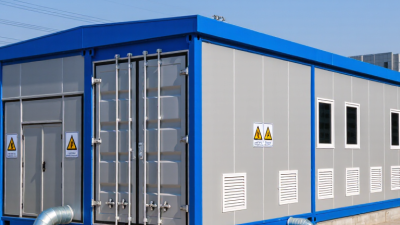
China’s growing electricity demand makes reliable distribution equipment increasingly important. The IEA’s Electricity 2024 report projects global electricity demand will grow by an average of 3.4% annually through 2026. Its 2023 report, Electricity Grids and Secure Energy Transitions, says more than 80 million kilometres of grids need to be added or refurbished by 2040. Those figures do not measure China’s compact-substation market directly. They do, however, show why dependable local distribution assets matter. Small footprint. Big responsibility. A Compact Secondary Substation combines key distribution components in a compact, factory-assembled unit. It can serve industrial sites, commercial districts, and urban developments where space is limited. The design still needs careful evaluation: voltage ratings, transformer capacity, protection, enclosure, safety, and maintenance access all matter. IEC 62271-202 provides requirements for AC prefabricated substations within its specified voltage range. Compliance claims should be checked against product documentation and test evidence. “The electricity grids are the backbone of the energy transition,” said Fatih Birol, Executive Director of the International Energy Agency. His point applies to the equipment connecting networks with end users, including compact substations. For buyers comparing China’s top manufacturers, this overview considers more than catalogue claims. Manufacturing capability, engineering support, delivery track record, and verifiable certifications deserve attention. A polished brochure is not proof of field performance. And no ranking can replace project-specific due diligence. The shortlist should be a starting point, not a verdict.
Read more »
Olivia By:Olivia - September 28, 2026
China Best Induction Melting Furnace Transformer Supplier?

China Best Induction Melting Furnace Transformer Supplier?

Choosing the China Best Induction Melting Furnace Transformer Supplier? requires more than comparing prices. The transformer must match furnace capacity, melting frequency, voltage stability, and the plant’s daily production rhythm. A poor match may cause overheating, unstable current, or repeated shutdowns. Those problems become visible through hot cable joints, unusual humming, and rising oil temperatures. John J. Winders Jr., a respected transformer engineer and author, emphasizes, “Transformer performance begins with disciplined design, not attractive specifications.” This principle applies directly to every Induction Melting Furnace Transformer selection. Buyers should examine the supplier’s winding methods, insulation system, cooling design, factory testing, and after-sales response. A credible manufacturer should provide temperature-rise records, impedance data, routine test reports, and clear maintenance guidance. Certifications matter, but they do not replace engineering evidence. Look closely at the details. An experienced supplier will ask about furnace loading cycles, harmonic conditions, installation altitude, and ambient temperature. It should also explain how the transformer handles frequent starts and sudden load changes. Some suppliers show impressive brochures, yet offer weak documentation. That is a warning sign. I have seen purchasing decisions focus too heavily on the lowest quotation. Later, spare parts, commissioning delays, and inefficient cooling increased the real cost. This is where the evaluation can become imperfect. No supplier is automatically best for every furnace. The strongest choice combines verified manufacturing experience, responsive technical support, and dependable Induction Melting Furnace Transformer performance. China offers capable manufacturers, but buyers should verify each claim through factory audits, test records, customer references, and practical service commitments. Reliability is not promised by a logo. It is demonstrated under heat, load, and time.
Read more »
Ethan By:Ethan - September 23, 2026
How to Choose a Wind Power Inverter Duty Transformer?

How to Choose a Wind Power Inverter Duty Transformer?

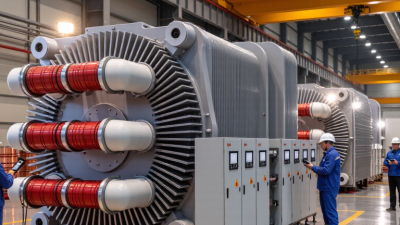
Global wind power is expanding rapidly, and transformer selection is becoming less forgiving. The Global Wind Energy Council reported 117 gigawatts of new wind capacity in 2023. Total global capacity exceeded 1,021 gigawatts. The International Energy Agency also recorded more than 500 gigawatts of renewable additions that year. Behind many turbines sits a Wind Power Inverter Duty Transformer. It must manage converter harmonics, rapid voltage changes, thermal cycling, and demanding grid conditions. A standard distribution transformer may appear suitable. That assumption can become expensive. Engineers should examine insulation stress, short-circuit strength, impedance, cooling performance, noise, and partial-discharge resistance. Site altitude, salt exposure, dust, and maintenance access also matter. Small details become large failures. Reliability comes first. Professor Frede Blaabjerg, a leading power-electronics researcher, has stated, “Reliability is the key issue in power electronics.” His observation applies directly to inverter-connected wind systems. A transformer can pass factory tests and still struggle under repeated daily loading. Therefore, this guide compares magnetic design, harmonic capability, thermal margins, protection, testing, and lifecycle cost. It also questions common purchasing habits. The lowest initial price is not always the lowest project cost. Sometimes, specifications remain incomplete. That is uncomfortable, but useful. A careful selection process should connect manufacturer data with measured site conditions, operational history, and independent technical review.
Read more »
Ethan By:Ethan - September 17, 2026
How to Choose a Cast Resin Dry Type Transformer?

How to Choose a Cast Resin Dry Type Transformer?

Choosing a Cast Resin Dry Type Transformer requires more than comparing catalog prices and rated power. The right decision begins with the installation environment, electrical load, safety requirements, and future operating plans. A transformer placed in a clean indoor substation faces different demands from one installed near dust, moisture, heat, or corrosive chemicals. This guide explains the practical factors behind a dependable selection. It considers voltage ratio, capacity, impedance, insulation class, cooling method, noise, dimensions, and maintenance access. It also examines how short-circuit conditions and load growth can affect transformer life. Small details matter. A cramped room can restrict airflow around the windings. An underestimated cable space can delay installation. These problems are easy to miss on a spreadsheet. Reliable selection should involve qualified electrical engineers, verified manufacturer data, and applicable standards such as IEC 60076. Local codes and fire-safety rules must also be checked before approval. A reputable supplier should provide routine test reports, temperature-rise data, partial-discharge results, and clear warranty terms. Do not rely on a brochure alone. Field experience shows that the cheapest transformer is not always the lowest-cost choice. Energy losses, fan operation, inspection time, and unexpected downtime can change the calculation. Some decisions remain uncertain. Future loads may grow faster than expected, while actual site conditions may differ from the design brief. That is why careful measurement, realistic assumptions, and independent review are valuable. The best Cast Resin Dry Type Transformer balances safety, performance, serviceability, and total ownership cost.
Read more »
Olivia By:Olivia - September 17, 2026
Top 10 Solar Inverter Duty Transformer Suppliers?

Top 10 Solar Inverter Duty Transformer Suppliers?

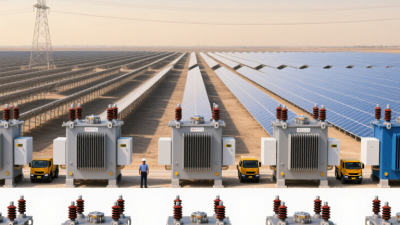
Choosing the right Solar Inverter Duty Transformer supplier is not a simple price comparison. It is a technical decision involving heat, harmonics, insulation, transport, commissioning, and long-term service. A transformer may appear identical in a catalogue, yet perform differently beside a 100 MW solar inverter station. This guide examines ten notable suppliers through practical criteria. These include transformer efficiency, short-circuit strength, cooling design, overload capability, factory testing, certifications, delivery experience, and after-sales support. Field conditions matter. Dusty substations, high ambient temperatures, uneven grids, and frequent inverter switching can expose weaknesses quickly. Supplier documentation must therefore be checked against the actual project design. Martin Heathcote, a respected transformer author and engineering specialist, expressed a useful principle: “Reliability begins with sound design and disciplined maintenance.” That idea fits solar projects particularly well. A Solar Inverter Duty Transformer must manage more than voltage conversion. It must tolerate harmonic currents and repeated thermal changes without unacceptable aging. No ranking is perfect. A supplier with excellent equipment may still lack local technicians. Another may offer strong engineering but longer delivery times. These differences can change the project outcome. This introduction deliberately avoids treating brand reputation as proof of performance. Verified test reports, reference plants, warranty terms, and service responsiveness deserve equal attention. The following supplier overview is designed for developers, EPC contractors, utility buyers, and engineering consultants. It offers a practical starting point, not a final procurement decision. Each project remains different. That is where careful judgment matters.
Read more »
Charlotte By:Charlotte - September 17, 2026