Choosing a transformer requires more than matching a voltage number. A Step Down Power Transformer must suit the equipment, site conditions, and expected operating load.
The seven tips in this guide focus on practical decisions that affect safety, efficiency, and service life. Start by recording the input voltage, required output voltage, frequency, and connected load. Write these values down. A workshop with motors may need more starting capacity than its running load suggests. That detail is often missed.
Then inspect the transformer’s rating, voltage regulation, insulation class, cooling method, and enclosure. Manufacturers may present similar ratings differently, so compare complete datasheets rather than short product descriptions. Ask for test reports, certification details, wiring diagrams, and installation instructions. Reliable documentation is useful evidence of quality.
Do not assume the cheapest unit will reduce total cost. Poor regulation can cause sensitive controls to reset, while inadequate ventilation can raise winding temperature. Copper and aluminum designs also behave differently under certain operating conditions. Consider ambient temperature, dust, moisture, noise, available space, and protection devices before choosing.
A credible supplier should explain limits clearly. Request support for sizing and commissioning. I have seen projects fail because someone selected a transformer from the nameplate voltage alone. That mistake is avoidable. Still, no guide replaces a qualified electrical review, especially for industrial installations. Use these tips as a careful starting point, then verify every specification against local requirements and the equipment manufacturer’s instructions.
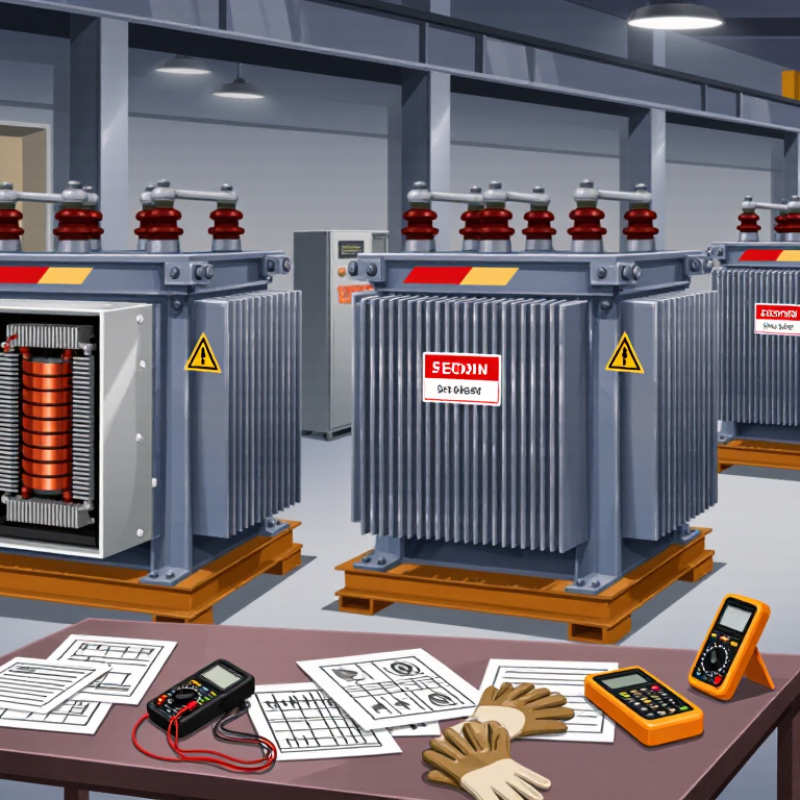
A step-down transformer reduces high incoming voltage to a safer, usable level. It supports control panels, lighting circuits, machinery, and sensitive electronic equipment. The transformer does not create power. It transfers electrical energy through magnetic induction, while current changes as voltage changes. This role affects safety, efficiency, and equipment life.
Check the required output voltage carefully. A small mismatch can cause overheating or unreliable operation. Match the transformer’s kVA rating with the real load, not only the equipment label. Leave sensible capacity for starting current and future expansion. Confirm the input frequency, phase arrangement, and connection method. Review insulation class and temperature rise. These details are easy to overlook. They matter during long operating hours.
Cooling also deserves attention. Natural air cooling may suit a clean, lightly loaded room, while harsh environments need stronger protection. Measure available space before ordering. Include clearance for ventilation and maintenance. Choose suitable terminals, enclosure protection, and grounding provisions. In field inspections, loose connections often create more trouble than expected. I once saw a correctly rated unit run hot because airflow was blocked. That mistake was avoidable. Ask for routine test records, efficiency data, and installation guidance from a qualified electrical professional. Availability of replacement parts and technical support should influence the decision too.
Confirm the primary voltage, secondary voltage, frequency, and phase. A small mismatch can cause overheating or unstable operation. Check the intended load carefully.
Add the real loads in watts, including motors, heaters, controls, and planned expansion. Convert the result to VA or kVA. Do not rely only on nameplate ratings.
A practical margin is often 20–30% for changing loads. Leave room for future equipment. Too much capacity can increase cost and no-load losses.
Motors and capacitive equipment can draw several times their running current. This surge may trip protective devices. Check inrush current before final selection.
It shows how much secondary voltage changes from no-load to full-load conditions. Poor regulation can disturb sensitive equipment. Measure voltage under realistic load.
Match cooling to the load and installation environment. Natural air cooling may suit smaller dry units. Dust, moisture, heat, and poor airflow need stronger protection.
Request insulation, dielectric, impulse, and temperature-rise test results. Review grounding, alarms, overload protection, and emergency shutdown features. A secure-looking cabinet may still admit dust.
Compare efficiency at your actual operating load, not only the headline rating. No-load losses continue during light loading. Small losses accumulate over many years.
Yes. Inspect cable length, voltage drop, ambient heat, phase balance, and protective coordination. My first spreadsheet may be wrong. Measure the installed system under load.
Choosing the right Step Down Power Transformer begins with understanding its purpose: reducing incoming voltage to a safer and more suitable level for equipment and electrical systems. Start by identifying the required output voltage, connected load, and expected operating conditions. The transformer’s power capacity should be sufficient for both normal demand and reasonable future expansion, while good efficiency can help reduce energy loss and operating costs. Pay attention to voltage regulation as well, since stable output is important for sensitive devices.
Safety and durability are equally important. Review insulation quality, grounding arrangements, overload protection, and available cooling methods to ensure reliable operation. The installation environment should match the transformer’s design, including temperature, humidity, ventilation, and available space. Finally, consider maintenance requirements, inspection access, and the ease of monitoring performance. A careful evaluation of these factors will help you select a transformer that operates safely, efficiently, and reliably over its service life.