As electrical grids, traction networks, microgrids, and industrial automation infrastructures demand higher efficiency and compact footprints, sourcing high-performance autotransformers directly from certified OEM/ODM manufacturers has become a strategic priority for global procurement executives. This guide presents an in-depth evaluation of autotransformer technology, customization frameworks, market developments, and supply chain best practices.
Information Gain Notice: Unlike conventional two-winding isolation transformers, autotransformers share a continuous single copper/aluminium winding per phase acting as both primary and secondary. By utilizing electromagnetic coupling paired with direct electrical conduction, autotransformers achieve co-ratio size reduction, dramatically lowering copper/iron core losses by up to 45% and optimizing total cost of ownership (TCO) for voltage transformation ratios near 1:1 up to 3:1.
Precision-engineered autotransformer units compliant with IEC 60076, IS 2026, IS 1180, IEEE/ANSI, and CE directives, engineered for global industrial and power utility applications.
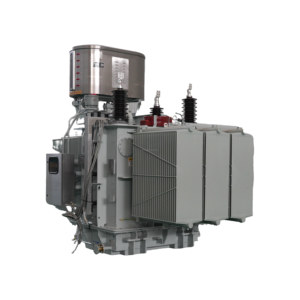
Engineered specifically for high-speed electrified railway traction systems. Ultra-low energy consumption design with enhanced short-circuit dynamic withstand capability.
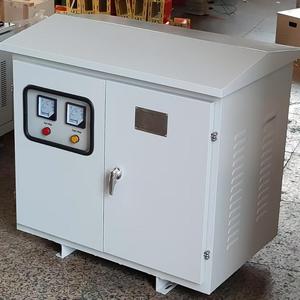
Versatile 3-phase dry-type step-up transformer ideal for industrial machinery, renewable energy tie-ins, and multi-voltage global machinery deployment.
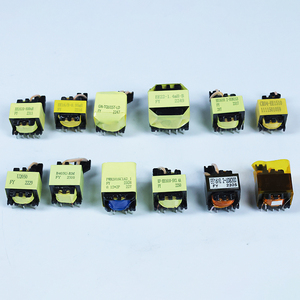
Customizable high-frequency ferrite core autotransformer components optimized for SMPS power supplies, PCB power conversion, and embedded industrial electronics.
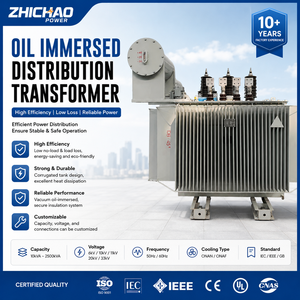
Heavy-duty oil-immersed autotransformer engineered for low-loss step-down distribution, industrial plant networks, and heavy grid applications.
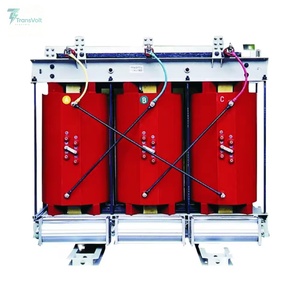
Ultra-quiet toroidal core dry-type auto transformer featuring zero stray magnetic field, superior efficiency, and custom KVA capacity ranges.
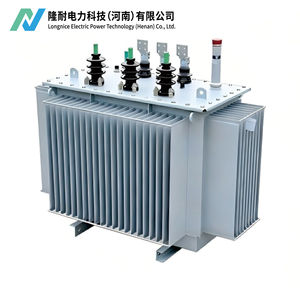
Wide capacity range factory oil-cooled autotransformer built for rugged indoor/outdoor site step-up duty with long-term dielectric thermal margins.
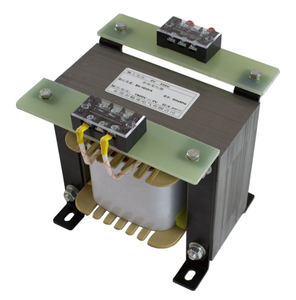
Precision single-phase auto transformer designed for control panel voltage stepping, auxiliary power distribution, and multi-tap voltage adaptation.
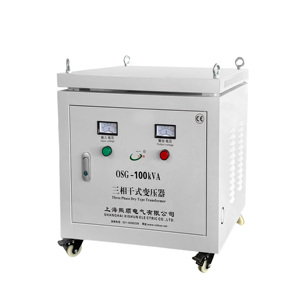
High-efficiency dry-type step voltage converter optimized for sensitive CNC machine tools, automation lines, and CE-certified facility imports.
How our specialized manufacturing facility designs autotransformers tailored precisely to buyer single-line diagrams (SLD) and electrical environment specs.
By replacing round or rectangular wire with continuous copper or aluminium foil in the autotransformer coils, axial short-circuit forces are evenly balanced across the entire winding height. This completely eliminates transposition joints, lowers hot-spot temperature rises, and significantly extends operational lifespan under repetitive system faults.
We source cold-rolled grain-oriented (CRGO) silicon steel (M4, OH080) with laser domain refinement. For low-noise applications, our toroidal dry-type autotransformers achieve acoustic signatures below 45 dB, while multi-phase units feature custom zig-zag (Zn0/Yna0) vectors to eliminate harmonic circulation.
Every manufactured autotransformer unit undergoes 100% full-spectrum routine testing in our state-of-the-art laboratory, including ratio checks, vector phase verification, winding resistance measurement, separate-source dielectric withstand, induced overvoltage testing, and no-load/load loss validation before dispatch clearance.
Procurement directors must align specifications with evolving global energy efficiency directives, electrification demands, and green grid mandates.
Regulatory frameworks such as EU EcoDesign Stage 2, US DOE 2016 efficiency mandates, and India's BIS 1180 Level 2 standards are penalizing high-loss transformer designs. Procurement specifications are shifting toward autotransformers with amorphous metal cores or high-permeability CRGO steel to minimize core losses over 25+ year cycles.
Global investments in modernizing electric rail networks rely heavily on specialized 2x27.5kV autotransformer feeding systems (AT systems). Sourcing high-capacity traction autotransformers (4 MVA to 25 MVA) with specialized neutral section management is a primary procurement driver across Europe, Asia, and Latin America.
As solar PV, wind generation, and Battery Energy Storage Systems (BESS) integrate into existing medium-voltage industrial grids, autotransformers with harmonic K-factor ratings and bidirectional step-up/step-down capabilities are increasingly specified to match inverter outputs to local factory voltages efficiently.
Space limitations in modern urban infrastructure and commercial EV charging hubs favor high-power-density autotransformers integrated directly into outdoor, weather-proof Compact Secondary Substations alongside Vacuum Circuit Breakers (VCB) and Ring Main Units (RMU).
Key innovations shaping core materials, thermal dielectric fluids, structural insulation, and power electronics integration.
Replacing traditional mineral oil with biodegradable synthetic or natural ester fluids elevates thermal class endurance (up to K-class insulation, 300°C fire point) while offering eco-friendly spill protection for environmental sensitive sites.
Combining high-frequency ferrite core autotransformer modules (EE16/19/25 series) with semiconductor switching enables precise fast-response voltage regulation for sensitive digital CNC automation and automated semiconductor manufacturing lines.
Advanced epoxy resin vacuum casting techniques ensure non-hygroscopic, flame-retardant (F1, E2, C2 classification) dry autotransformers that operate maintenance-free in humid, tropical, offshore, or high-rise building substations.
Built upon 20+ years of industrial power engineering, our Rajkot manufacturing facility combines vertical integration, precision testing, and full technical compliance.
Established in 2004 in Rajkot, Gujarat, our expansive plant handles everything under one roof—from core slitting and foil winding to tank fabrication, automated shot blasting, powder coating, vacuum drying, and oil purification.
We welcome third-party inspectors (SGS, TUV, Bureau Veritas, Intertek) and client engineers for live witness testing in our routine testing bay before issuing final dispatch dossiers and seaworthy export packing.
Engineered to international grid codes (IEC, IS, ANSI/IEEE, CE), our export team manages complete customs documentation, guaranteed technical particulars (GTP), approval GA drawings, and post-installation service support.
Overview of typical manufacturing envelope options for buyer technical specification alignment.
| Autotransformer Variant | Capacity Range (KVA) | Voltage Classes | Cooling / Insulation | Primary Standards | Target Applications |
|---|---|---|---|---|---|
| Traction Auto Transformer | 1 MVA – 25 MVA | Up to 55kV / 2x27.5kV | ONAN / ONAF Oil-Filled | IEC 60076, CE, IS 2026 | High-Speed Rail & Electric Transit |
| Industrial Dry-Type Auto | 15 KVA – 2500 KVA | 200V / 220V / 380V / 480V | AN / AF Dry Cast Resin / VPI | IEC 60076-11, IEEE/ANSI | Factory Equipment, CNC, HVAC |
| Oil-Immersed Auto Transformer | 30 KVA – 3500 KVA | 11kV, 22kV, 33kV Class | ONAN Ester or Mineral Oil | IS 1180, IS 2026, IEC 60076 | Utility Distribution, Power Substation |
| Toroidal Dry Auto Transformer | 5 KVA – 150 KVA | 110V / 220V / 380V Tapped | Class F / H Air Cooled | CE, UL Compliant Design | Medical Devices, Precision CNC |
| High-Frequency Ferrite Auto | Fractional – 5 KVA | Custom Switched Voltage | Air Cooled / Encapsulated | RoHS, CE Directives | SMPS Electronics, Drives, PCB |
Addressing core engineering, economic, and operational queries from global procurement managers.
