Explore our custom formulation portfolio, ranging from UL94 V-0 flame-retardant electrical casting compounds to high-precision automotive aluminum-resin die castings.
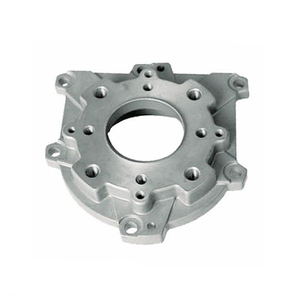
In modern power distribution, heavy industrial machinery, and automotive electrification, Cast Resin Technology serves as the primary barrier against mechanical collapse, moisture intrusion, chemical degradation, and catastrophic electrical breakdown. As an established OEM/ODM manufacturer headquartered in Rajkot, India (operating an ISO 9001 certified 103,500+ sq. ft. facility), our engineering team integrates advanced polymer synthesis with precision pressure gelation to manufacture custom resin components and cast resin dry-type transformers up to 33 kV class.
Selecting the optimal casting resin system requires evaluating mechanical, thermal, and dielectric parameters under severe operation conditions. Whether formulating Automatic Pressure Gelation (APG) epoxy for medium-voltage switchgear components or developing low-viscosity vacuum-impregnation polyurethanes for precision rapid tooling, polymer stability determines overall asset service life.
Comparative material properties of industrial casting resin formulations designed for OEM electrical, mechanical, and prototyping operations.
| Resin Polymer Class | Viscosity (mPa·s at 25°C) | Glass Transition Temp (Tg) | Dielectric Strength | Tensile Strength (MPa) | Primary OEM Application |
|---|---|---|---|---|---|
| Bisphenol-A Electrical Epoxy | 800 – 1,500 | 120°C – 155°C (Class F/H) | 22 – 26 kV/mm | 70 – 85 | Dry-Type Transformers, MV Bushings, Insulators |
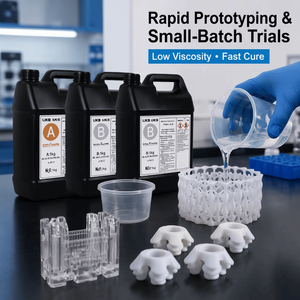
| Rigid Polyurethane (75D-80D) | 60 – 150 | 75°C – 95°C | 16 – 19 kV/mm | 45 – 60 | Rapid Prototyping, Automotive Housings, Collectibles |
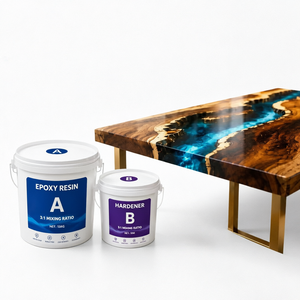
| Deep-Pour Clear Epoxy (3:1) | 200 – 400 | 65°C – 80°C | 18 – 20 kV/mm | 50 – 65 | Encapsulation, Thick Structural Castings, Woodworking |
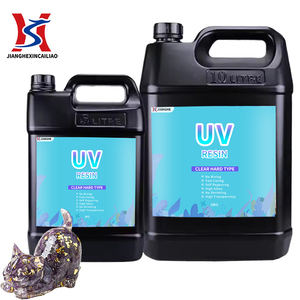
| Fast Photopolymer UV Resin | 150 – 300 | 80°C – 100°C | 14 – 18 kV/mm | 40 – 55 | Micro-Molding, Jewelry, Precision Optics |
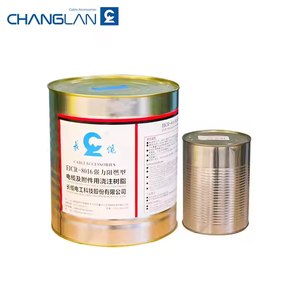
| Flame-Retardant APG Resin System | 1,200 – 2,500 | 140°C – 180°C (Class H) | > 25 kV/mm | 80 – 95 | High-Altitude Switchgear, Fire-Safe Indoor Substations |
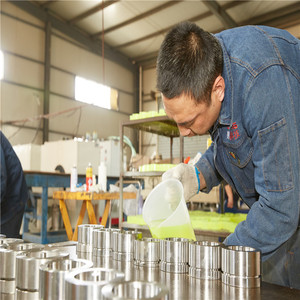
Our plant utilizes state-of-the-art APG equipment for processing epoxy resin formulations. By injecting pre-heated liquid resin compounds into temperature-controlled molds under constant pneumatic pressure, the APG process compensates for polymerization shrinkage in real-time. This eliminates micro-voids, internal cracking, and partial discharge risks, delivering components with partial discharge levels below 5 pC at 1.2 Un.
For high-density foil-wound transformer coils and complex inductive components, our Vacuum Pressure Impregnation (VPI) processing guarantees full resin penetration into micro-interstices. Operating under deep vacuum (< 1 mbar) followed by high positive pressure, VPI eliminates moisture ingress and guarantees superior short-circuit withstand capabilities during sudden load surges.
Custom-formulated with non-toxic silica and alumina trihydrate fillers, our cast resins achieve UL94 V-0 flame retardancy and meet strict F1 (Fire Risk) and C2 (Climatic Environment) criteria under IEC 60076-11. They withstand sudden thermal shocks from -25°C ambient to +180°C operating temperatures without micro-fracturing.
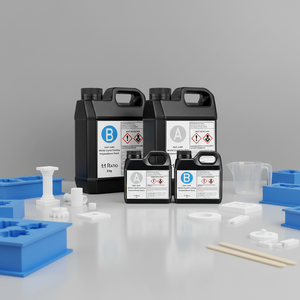
Our in-house polymer chemistry lab customizes pot life, exothermic reaction peaks, surface tension, and glass transition temperatures ($T_g$). Whether you require ultra-fast 2-minute demold polyurethane for high-volume consumer goods casting or low-exotherm deep pour epoxy for massive industrial blocks, we tailor the chemistry to your production line specifications.
Strategic supply chain evolution, material compliance imperatives, and technical advancements shaping global resin purchasing over the next decade.
Procurement teams are aggressively shifting toward eco-friendly resin formulations. Modern OEM contracts mandate bio-derived epoxies containing up to 40% plant-based renewable carbon content. These resins drastically lower the cradle-to-gate carbon footprint without compromising dielectric voltage limits or mechanical shear strength.
The rapid expansion of Electric Vehicle (EV) architectures operating above 800V demands casting resins with extreme thermal conductivity (> 1.5 W/m·K) and low dielectric constant. Resins must efficiently dissipate stator heat while surviving aggressive thermal cycling between battery power bursts.
Regulatory frameworks across Europe and North America strictly restrict toxic phthalate plasticizers and halogenated flame retardants. Global exporters must supply fully compliant, zero-VOC, BPA-restricted, and halogen-free polymer casting systems accompanied by full SVHC documentation.
To hedge against global shipping volatility and chemical raw material shortages, international procurement managers are establishing direct ODM manufacturing ties in strategic industrial hubs like India. Certified ISO 9001 vendors providing complete drawing approval, batch traceability, and seaworthy export packing are taking priority.
Integrated manufacturing facilities ensuring total quality control from raw resin synthesis to final precision machining and electrical testing.
From tool and mold fabrication to automated vacuum casting chambers, core cutting, coil foil winding, and tank fabrication—our centralized Rajkot plant executes every manufacturing phase under one strict quality management plan.
Every dispatch undergoes rigorous quality audits. Our testing bay is equipped for high-voltage dielectric withstand, partial discharge measurement, lightning impulse testing, temperature-rise verification, viscosity rheology, and Shore hardness mapping.
We supply EPC contractors, utilities, and OEM distributors across North America, Europe, the Middle East, and Asia. Orders are delivered with ocean-safe vacuum-sealed barrier packaging, heavy-duty wooden crate reinforcement, and complete export dossiers.
Answers to common technical, quality assurance, and order fulfillment questions regarding our OEM/ODM resin manufacturing services.
Submit your technical specification sheet, CAD drawings, or target performance parameters. Our polymer engineers and OEM design team will review your application and respond within 24 hours.
Get a Quote