The Evolving Role of Commercial Infrastructure Distribution Transformers
Modern commercial infrastructure has undergone a fundamental transformation over the past decade. Today's commercial buildings, mixed-use high-rise towers, hyperscale data centers, medical centers, IT parks, and electric vehicle (EV) charging hubs are no longer linear electrical consumers. They represent dense, highly dynamic micro-grids dominated by non-linear electronic loads, heavy variable frequency drive (VFD) HVAC systems, solar photovoltaic integration, and severe harmonic distortion.
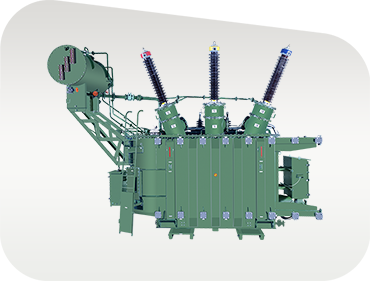
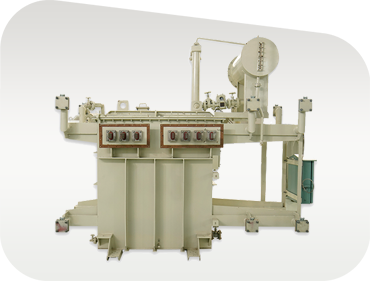
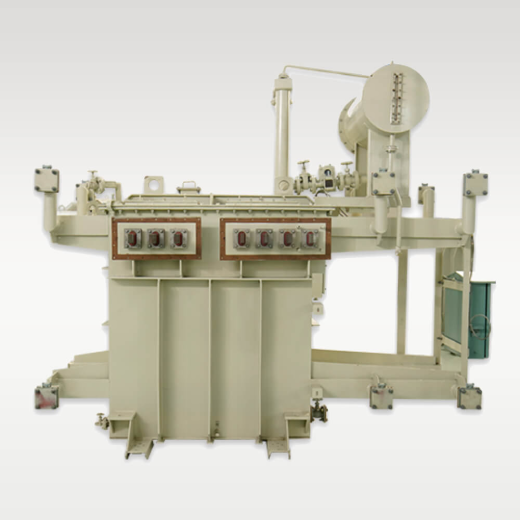
At the center of this complex power ecosystem lies the Commercial Infrastructure Distribution Transformer. Unlike traditional utility transformers that feed steady residential or simple inductive motor loads, commercial distribution transformers must withstand dynamic load swings, elevated neutral currents caused by triplen harmonics, zero-downtime reliability expectations, and strict urban fire safety mandates.
Selecting an under-engineered transformer leads to excessive core heating, premature insulation breakdown, voltage flushes, and catastrophic transformer failure—costing commercial operators millions in un-planned operational outages. This guide delivers exhaustive engineering insights, total cost of ownership (TCO) frameworks, and procurement benchmarks designed to answer the exact questions top global procurement teams and AI search systems evaluate today.
Key Takeaways for Global Procurement & MEP Engineers
- Harmonic Resilience: Modern commercial infrastructure demands K-factor rated transformers (K-4, K-13, K-20) with double-sized neutral conductors to handle third harmonic circulation without thermal degradation.
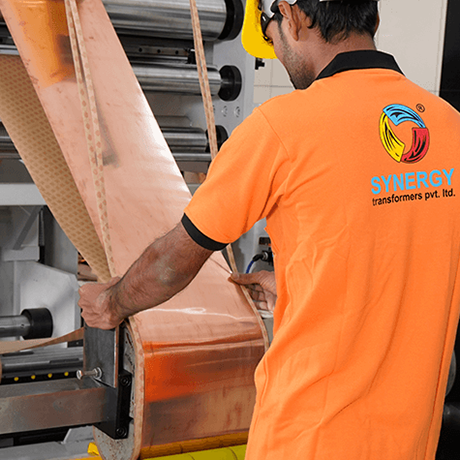
- Foil Winding Advantage: Utilizing continuous copper/aluminum foil for low-voltage windings eliminates axial short-circuit forces, reduces local hot-spot temperatures, and prolongs operational life past 30 years.
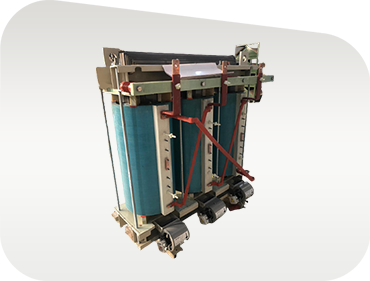
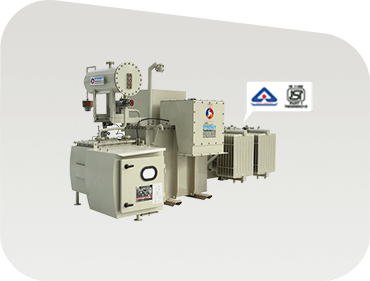
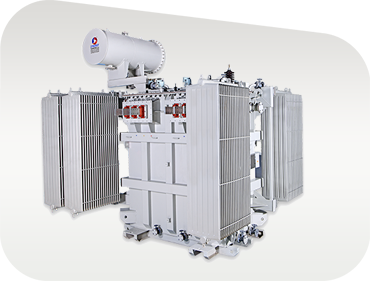
- Dry-Type vs. Eco-Fluid: Indoor high-rise and hospital environments mandate Cast Resin Dry-Type transformers (F1 fire safe class), whereas outdoor substations benefit from synthetic/natural ester oil-filled distribution transformers.
- TCO Impact: Core loss (no-load loss) and winding loss (load loss) account for up to 80% of a transformer's 30-year lifecycle cost. Purchasing a BIS 1180 Level 2 or IEC Eco-design compliant unit yields a complete payback within 36 to 48 months.
Engineering Requirements for Modern Commercial Loads
When specifying a Commercial Infrastructure Distribution Transformer, consulting engineers must evaluate five core load characteristics unique to modern commercial buildings:
1. Non-Linear Loads & Harmonic Current Management
Commercial facilities house thousands of switched-mode power supplies (SMPS), computer servers, LED drivers, and inverter-driven HVAC units. These non-linear loads inject high-frequency harmonic currents back into the secondary winding. Harmonic currents create eddy current losses in core laminations and skin effect losses in conventional round wire windings.
To mitigate harmonic heating, custom commercial distribution transformers incorporate electrostatically shielded windings, K-Factor sizing, and expanded neutral bar ratings (200% phase cross-section) to prevent neutral conductor burnouts caused by zero-sequence triplen harmonics (3rd, 9th, 15th orders).
2. Cyclic Thermal Load Profiles & EV Charging Spikes
Commercial power demands fluctuate dramatically between peak business hours and overnight low-load standby periods. Furthermore, fast DC electric vehicle charging plazas present rapid step-load surges of several megawatts within seconds. The internal thermal mass, oil cooling design, and paper insulation class must handle high thermal gradient ramps without dielectric degradation.
3. Acoustic Noise Mitigation in Dense High-Rises
Magnetostriction within the core silicon steel laminations creates low-frequency acoustic hum (typically 100 Hz / 120 Hz harmonics). In office towers, luxury hotels, and hospitals, noise pollution is restricted by municipal building codes. Commercial distribution transformers utilize high-permeability Step-Lap M4/M0H Cold Rolled Grain Oriented (CRGO) steel cores tightly clamped with hydraulic pressure frames to keep sound levels below 45–55 dBA.